Genesis Block Explained: Stunning Guide to the Best Start
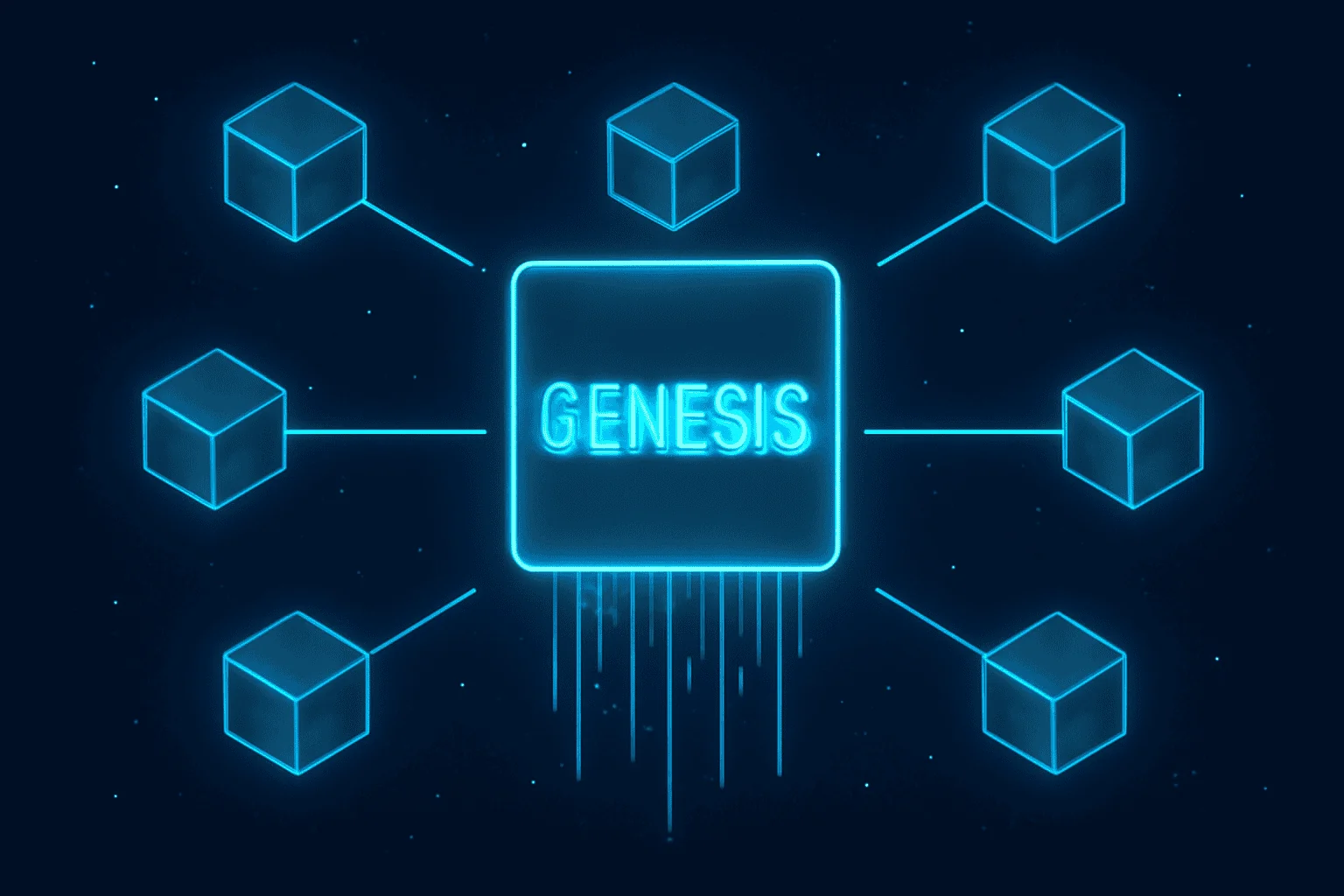
The genesis block is block zero—the very first block in a blockchain. It kickstarts the chain’s history, defines its initial rules, and anchors every block...
In this article
Why the Genesis Block Matters
The genesis block fixes several parameters that shape a network’s identity. It sets the initial state, establishes consensus rules, and often embeds a message or configuration that signals intent. Because every node verifies blocks by linking them back through hashes, the genesis block acts as the ultimate anchor. If two networks have different genesis blocks, they are not the same chain.
Think of a small network of hobbyist miners booting a new chain on a Saturday morning. They compile a client, load a custom genesis file, and hit start. All nodes recognize the same block zero and begin validating new blocks. If one participant uses a different genesis configuration by accident, their node silently lives on an island.
How the Genesis Block Is Created
Technically, the genesis block is hardcoded into the client software. Developers specify its contents—timestamp, previous block hash (usually zero), merkle root of the initial transactions or state, and sometimes a nonce or extra data. Unlike later blocks, which are discovered through mining or validation, the genesis block is predefined and distributed with the node software.
For proof-of-work chains, the genesis block may include a coinbase transaction that creates the first coins. For proof-of-stake or account-based chains, it can define an initial state: balances for addresses, pre-deployed contracts, or network parameters like chain ID and gas limits.
Core Components You’ll Find Inside
Although formats vary by protocol, most genesis blocks share a few common fields. Understanding these helps you parse a chain’s DNA.
- Block number and previous hash: Block zero references a null or zero hash since no block precedes it.
- Timestamp: Marks the network’s “birth.” Some projects embed symbolic dates or messages.
- Merkle root or state root: A cryptographic summary of included transactions or the initial account state.
- Extra data: Human-readable notes, chain configuration, or protocol version flags.
- Reward transaction (if any): The first issuance of coins or tokens, often unspendable in some designs.
On account-based chains such as Ethereum, the genesis file can allocate balances to dozens or thousands of addresses, enabling immediate activity after launch without waiting for mining rewards.
Famous Genesis Blocks and Their Messages
Several networks used their genesis blocks to send a signal or preserve a timestamped artifact. These micro-messages often reveal the ethos of the project at launch.
| Blockchain | Genesis Date | Notable Detail |
|---|---|---|
| Bitcoin | 3 Jan 2009 | Embedded text: “The Times 03/Jan/2009 Chancellor on brink of second bailout for banks” |
| Ethereum (Frontier) | 30 Jul 2015 | State allocations to early participants; no single coinbase reward |
| Litecoin | 13 Oct 2011 | Adapted Bitcoin parameters with faster block times |
| Solana | 2020 | Genesis defines cluster configuration and initial validators |
Bitcoin’s embedded newspaper headline served as both a timestamp and a critique of centralized monetary policy. It also made it clear the block wasn’t pre-mined in secret, since the headline couldn’t have been known earlier.
Genesis Block vs. Regular Blocks
The genesis block is special in a few ways that affect validation and consensus. While it looks like a normal block at a glance, it breaks some rules by design.
- It has no parent: The previous hash is a null value, so chain traversal stops here.
- It’s hardcoded: Nodes accept it by definition, not by discovering it through consensus.
- Reward behavior can differ: In some chains, the genesis reward can’t be spent; others distribute initial balances via state.
- Upgrade reference point: Network upgrades sometimes reference genesis parameters like chain ID to prevent cross-chain replays.
After block zero, the usual rules apply: each block references its parent’s hash, and consensus decides which chain tip is valid. But all of that logic ultimately traces back to the genesis anchor.
Forks and the Role of the Genesis Block
When a chain forks—either as a planned upgrade or a community split—the genesis block becomes a dividing line. A hard fork typically changes rules moving forward while keeping the same past, including the genesis. A new chain, by contrast, usually starts from a brand-new genesis block even if it borrows code.
Consider a developer spinning up a testnet. They alter the chain ID, reduce block times, and create a custom genesis file with faucet allocations. Despite sharing the same client code as mainnet, this testnet is a distinct universe because its genesis is different.
Security Implications
The security of a blockchain depends on every block referencing its predecessor all the way back to genesis. Tamper with an old block and the hashes cascade, breaking the link to block zero. Nodes instantly reject such history because it no longer matches the anchored start and the cryptographic trail.
That’s why genesis configuration must be transparent and verifiable. If initial allocations or parameters are unclear, trust erodes, and so does the willingness of participants to run nodes or build on top.
Creating a Custom Genesis Block: High-Level Steps
Developers who build a new chain or private network craft a genesis file or block template that sets the first state. The exact process varies, but the milestones follow a familiar arc.
- Define parameters: Choose consensus type, chain ID, block interval, and gas or block size limits.
- Set allocations: Pre-fund addresses, seed validator sets, or specify mining rewards.
- Generate keys: Create keys for validators or initial nodes and include their public details.
- Build the client: Compile node software that hardcodes or ingests the genesis configuration.
- Distribute the genesis: Share the same file across nodes and bootstrap the network simultaneously.
Small misalignments—like mismatched chain IDs or altered genesis hashes—prevent peers from joining the same network. In practice, teams version-control the genesis file and sign it to avoid confusion.
Common Misconceptions
Several myths persist around genesis blocks. Clearing them up helps readers parse projects with a cooler head.
- “The genesis reward is always spendable.” Not necessarily. On some chains it’s ceremonial or locked forever.
- “You can switch a node between networks freely.” Only if genesis and core parameters match; otherwise, it’s a different chain.
- “Genesis defines token price.” It defines supply and state, not market value. Price emerges from trading and liquidity.
- “A fork needs a new genesis.” Many forks inherit the original genesis and historical state, changing rules from a later block.
When evaluating a new blockchain, read the genesis configuration or documented allocations. It’s the earliest source of truth for supply, validators, and rules.
How to Inspect a Genesis Block
You can verify genesis details without special tools, though explorers make it easier. The following sequence keeps you grounded in facts instead of marketing claims.
- Open a reputable block explorer and navigate to block zero or “genesis.”
- Check the timestamp and any embedded text or extra data.
- Review allocations or the first coinbase transaction to confirm initial supply.
- Compare the genesis hash and chain ID with official docs or client repositories.
For private or new networks, inspect the genesis JSON or configuration in the repository. A quick checksum comparison among peers avoids accidental chain splits.
Why This Origin Story Endures
The genesis block persists as more than a technical artifact. It’s a public commitment to rules that participants can audit and, if they choose, reject by not running the software. That simple mechanism—consent by validation—gives the genesis block outsized weight.
From a security stance, it’s the anchor. From a cultural stance, it’s the inscription that states what a network stands for. Every block added afterward is a footnote to that opening line.